
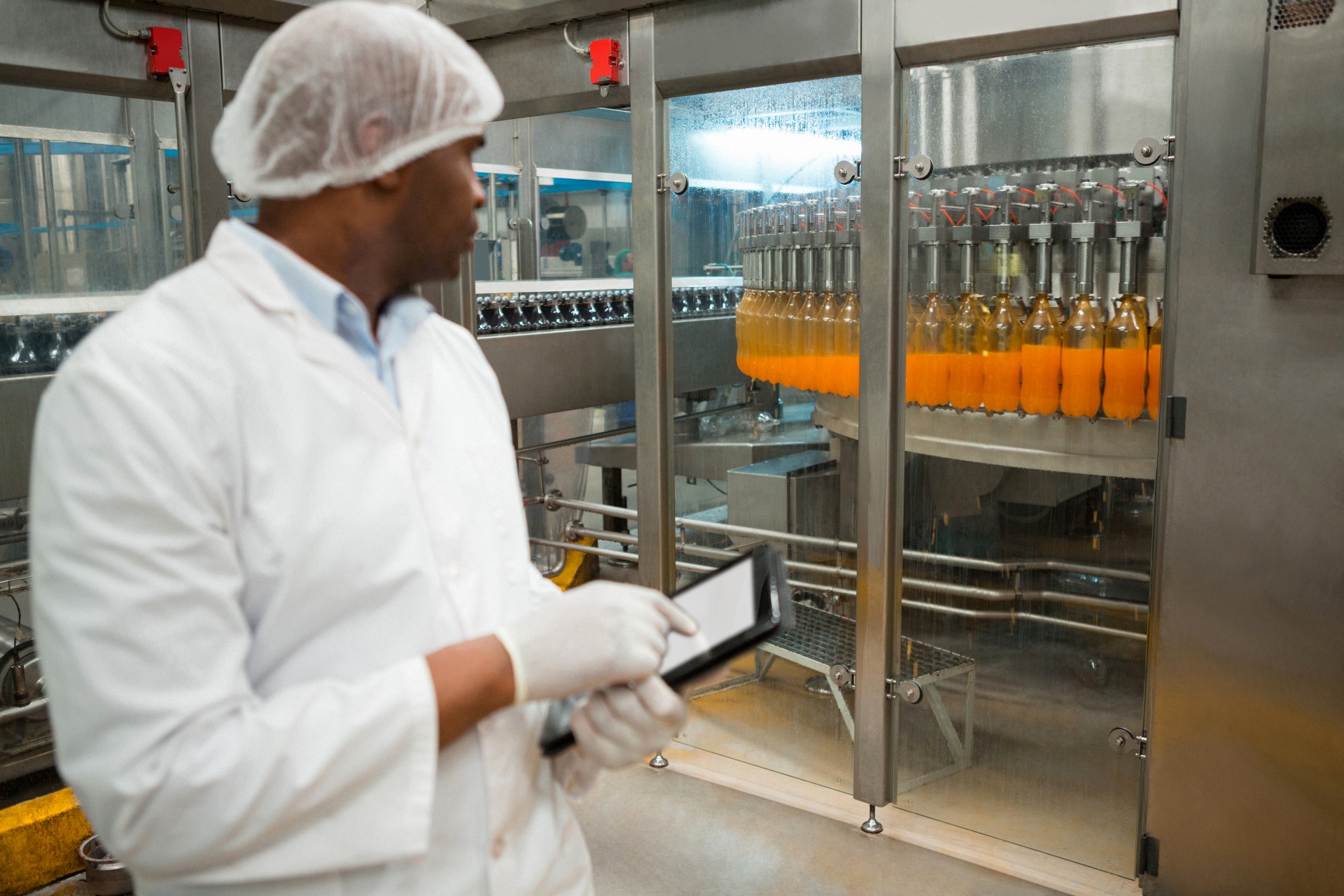
In today’s fast-moving food industry, B2B food manufacturers play a critical role in connecting farms, suppliers, and businesses to create a reliable and efficient food ecosystem. Whether it’s supplying bulk frozen vegetables, ready-to-cook ingredients, or processed foods to restaurants, caterers, or retailers — B2B manufacturers form the invisible backbone of the global food supply chain.
What Are B2B Food Manufacturers?
B2B (Business-to-Business) food manufacturers are companies that produce and supply food products to other businesses rather than directly to consumers. Their clients include restaurants, hotels, supermarkets, distributors, cloud kitchens, and food brands.
They handle large-scale production, maintain strict quality standards, and ensure that their clients receive consistent, safe, and cost-effective products.
At Transgreen, our manufacturing and processing units are designed to support businesses with high-quality frozen produce — from farm-fresh peas and corn to mixed vegetables and fruits — enabling partners to deliver freshness year-round.
Why B2B Food Manufacturing Matters
1. Consistency and Quality Assurance
Businesses rely on predictable taste, texture, and quality. B2B manufacturers ensure standardized production through modern food processing technologies, strict hygiene practices, and global certifications.
This consistency helps brands maintain their reputation and customer trust.
2. Scalability and Cost Efficiency
Producing at scale allows manufacturers to optimize raw material sourcing, reduce waste, and control costs. For restaurants, caterers, and retailers, outsourcing production to B2B partners means fewer operational headaches and better profit margins.
3. Innovation and Product Development
From plant-based foods to ready-to-eat meals, B2B manufacturers often lead innovation. They continuously experiment with new ingredients, packaging, and preservation methods to meet evolving consumer preferences and sustainability goals.
4. Supply Chain Stability
In a world where supply chain disruptions are common, B2B manufacturers provide reliability. With cold-chain infrastructure, temperature-controlled logistics, and robust sourcing networks, they help ensure uninterrupted food availability — especially for perishable goods.
5. Compliance and Food Safety
Food safety regulations can be complex and vary across regions. Professional B2B manufacturers maintain certifications like FSSC, ISO, or HACCP, ensuring every batch meets legal and quality standards. This compliance safeguards their business clients from risk.
The Transgreen Advantage
At Transgreen, we go beyond manufacturing — we partner in growth.
Our focus is on building a farm-to-fork ecosystem powered by sustainable sourcing, advanced freezing technology, and efficient logistics through the Transworld network.
Whether supplying bulk frozen vegetables to institutional buyers or co-packing for private labels, Transgreen ensures:
- Consistent freshness with IQF (Individual Quick Freezing) technology
- Customized solutions for hotels, QSR chains, and food brands
- End-to-end logistics through integrated warehousing and distribution
- Sustainable sourcing that supports local farmers and reduces waste
Our goal is simple — to make premium, safe, and sustainable food easily accessible to every business that depends on it.
Partner with Us
B2B food manufacturers are the unsung heroes of the food supply chain. They empower food service operators, retailers, and brands to scale faster, innovate smarter, and serve better.
With partners like Transgreen, businesses gain more than a supplier — they gain a strategic ally who understands quality, efficiency, and long-term growth.