
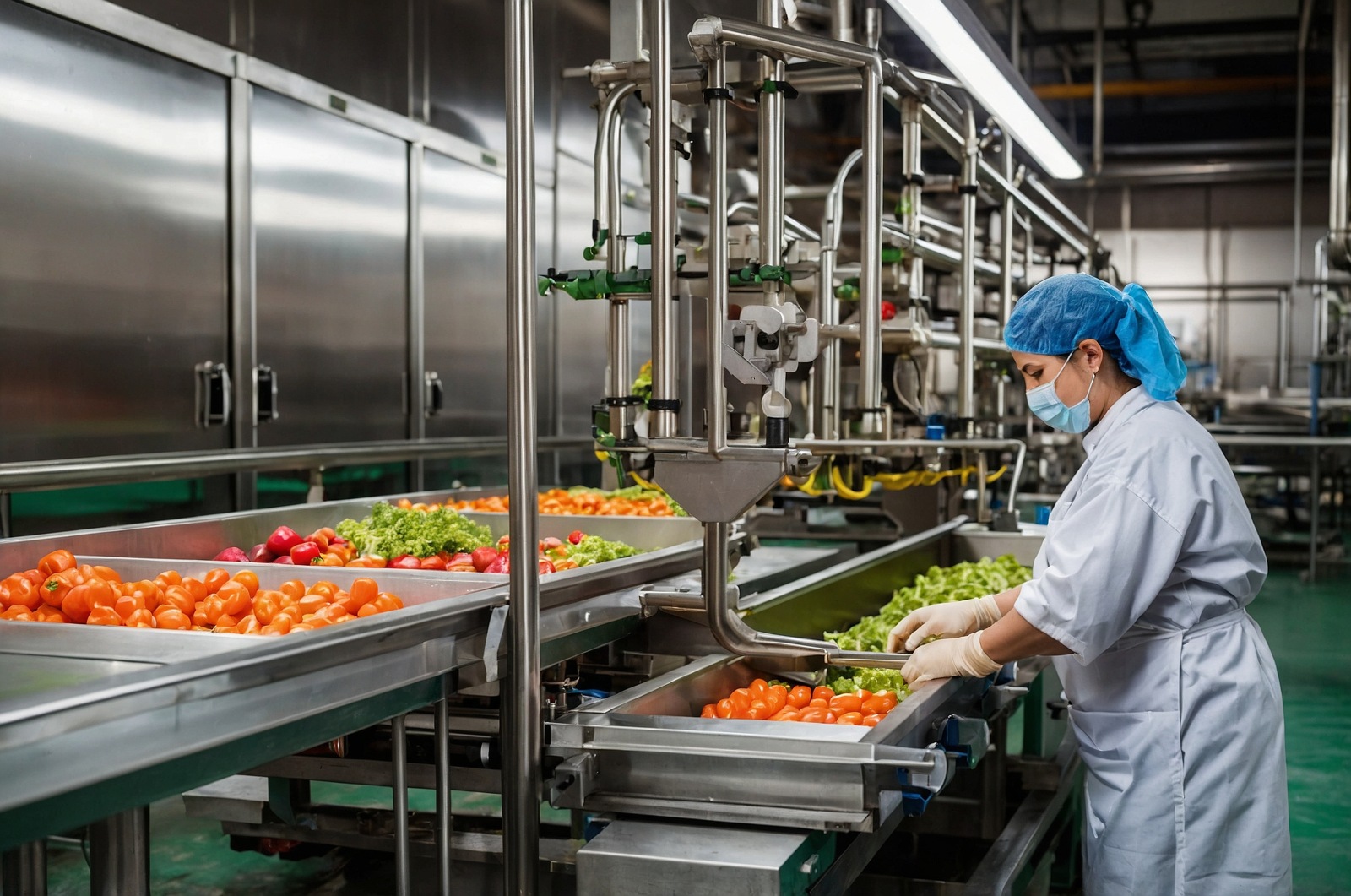
The food industry is evolving at a rapid pace, shaped by changing consumer preferences, sustainability goals, and technological innovation. For businesses like Transgreen, which operate at the intersection of agrilogistics, food processing, and supply chain excellence, new product development (NPD) is more than just launching new items—it’s about creating value across the entire farm-to-fork ecosystem.
In this article, we explore the importance of NPD, the steps involved, and how food companies can stay ahead in a competitive market.
Why New Product Development Matters in the Food Industry
- Consumer-Driven Market: Shoppers today demand healthier, sustainable, and convenient food options. From plant-based proteins to ready-to-eat frozen meals, innovation is crucial.
- Value Chain Optimization: NPD allows food businesses to maximize yield from raw produce, reduce waste, and create value-added products that generate higher margins.
- Sustainability: New product innovation enables companies to respond to global calls for reduced food waste, sustainable packaging, and eco-friendly production.
- Global Competition: With increasing imports and exports, companies must continuously innovate to remain relevant in both domestic and international markets.
The Stages of New Product Development in the Food Sector
1. Market Research and Consumer Insights
The foundation of any successful food product lies in understanding what consumers want. Tools like consumer surveys, AI-driven trend analysis, and market data help identify gaps such as:
- Demand for organic and clean-label products
- Interest in functional foods (e.g., probiotics, immunity boosters)
- Growing popularity of convenient frozen and ready-to-cook meals
2. Concept Development and Ideation
Once the opportunity is identified, food companies brainstorm potential product concepts. For example:
- Turning farm produce like peas or sweet corn into frozen, ready-to-use packs
- Developing snack-sized, nutrition-rich formats for urban consumers
- Creating farm-to-factory-to-fork supply models with full traceability
3. Feasibility and Prototyping
Before scaling, companies test small batches to evaluate:
- Taste and nutritional value
- Cost-effectiveness of production
- Shelf-life stability
- Compliance with food safety regulations
4. Supply Chain and Logistics Planning
Logistics plays a critical role. NPD must consider:
- Cold chain infrastructure for frozen and perishable products
- Regional distribution hubs to cut delivery times
- Sourcing strategies that ensure consistent, high-quality raw materials
5. Pilot Testing and Consumer Trials
A product is launched in limited markets or through focus groups. This helps refine:
- Packaging appeal
- Pricing strategies
- Consumer acceptance and feedback
6. Full-Scale Commercialization
Once validated, the product is rolled out to wider markets. Strategic distribution through supermarkets, e-commerce platforms, and food service partners ensures rapid adoption.
Key Trends Shaping Food Product Innovation in 2025
- Plant-Based & Alternative Proteins: Rising demand for meat substitutes and dairy alternatives.
- Functional & Health-Oriented Foods: Products enriched with vitamins, probiotics, and immunity boosters.
- Sustainable Packaging: Biodegradable and recyclable packaging solutions.
- Frozen & Ready-to-Cook Foods: Driven by convenience and urban lifestyles.
- Traceability & Transparency: QR-code enabled packaging to show origin, nutrition, and supply chain journey.
Challenges in Food Product Development
- Regulatory Compliance: Meeting stringent food safety and labeling standards.
- Supply Chain Complexity: Ensuring temperature-controlled logistics and consistent sourcing.
- Cost vs. Innovation: Balancing affordability with premium innovation.
- Rapidly Changing Consumer Trends: Adapting quickly before trends shift.
How Companies Like Transgreen Lead the Way
- Farm-to-Fork Integration: We at Transgreen create value-added products directly from farms, reducing intermediaries, and ensuring traceability.
- Cold Chain Excellence: Our plant leverages advanced cold storage and transport solutions to maintain quality.
- Sustainability as a Core Driver: Reducing food waste, optimizing packaging, and adopting eco-friendly logistics forms the heart of our operations.
- AI and Data Analytics: Using technology for demand forecasting, consumer insight generation, and supply chain optimization.
Final Thoughts
New product development in the food industry is no longer just about adding variety to supermarket shelves—it’s about meeting evolving consumer demands, enhancing sustainability, and building resilient supply chains.
We, at Transgreen, use NPD as an opportunity to transform agricultural produce into value-added products that deliver convenience, nutrition, and sustainability—all while creating stronger connections between farmers, factories, and families.
In a market where innovation defines success, the companies that embrace consumer insights, invest in technology, and prioritize sustainability will shape the future of food. Get in touch with us to know more in detail about our food solutions today!