
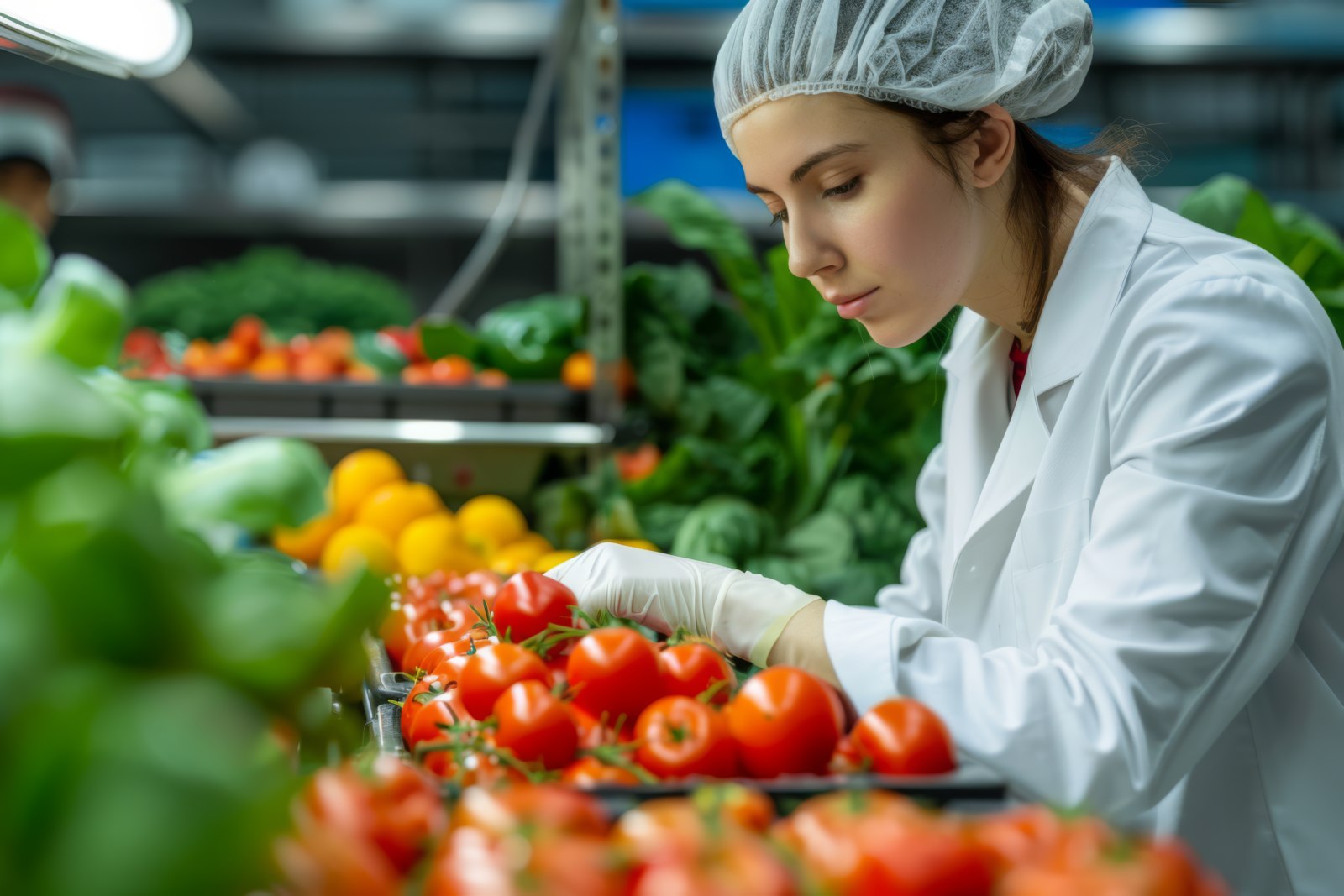
The global food industry is undergoing a period of unprecedented change. Faced with rising consumer expectations, climate concerns, and global supply chain pressures, food producers, distributors, and retailers are adopting new technologies and practices. Innovation is no longer optional – it’s essential for ensuring food security, sustainability, and efficiency in a rapidly evolving world.
Smart Farming and Precision Agriculture
Agriculture has evolved from intuition-based methods to data-driven decision-making. Precision farming technologies – including GPS-enabled machinery, IoT sensors, and AI-powered analytics – are helping farmers optimize inputs like water, fertilizer, and pesticides, reducing waste while increasing crop yields. Drones and satellite imagery are also improving monitoring and forecasting, enabling faster responses to weather or pest-related threats.
These developments support both productivity and environmental sustainability – laying the groundwork for a more secure global food supply.
Cold Chain Innovations
Maintaining precise temperatures from harvest to consumption is critical for perishable goods, especially in sectors such as dairy, seafood, fresh produce, and ready-to-eat meals. The next generation of cold chain solutions includes:
- Real-time temperature and humidity monitoring
- Predictive maintenance for refrigerated transport units
- AI-enabled route planning to reduce transit time
- Energy-efficient refrigeration systems
Such advancements are reducing spoilage, improving food safety, and ensuring compliance with increasingly strict food safety regulations across markets.
Sustainable and Functional Packaging
As environmental regulations tighten and consumer awareness grows, the food industry is rethinking packaging. The shift is toward biodegradable films, compostable containers, and recyclable materials — all designed to reduce environmental impact without compromising shelf life or safety.
In parallel, smart packaging solutions are emerging, including QR codes and sensors that offer transparency into sourcing, nutritional information, and freshness — helping consumers make informed choices.
Growth of Ready-to-Eat and Ready-to-Cook Products
Modern lifestyles have fueled a sharp increase in demand for convenience foods that save time without sacrificing nutrition or quality. Innovations in flash-freezing, high-pressure processing (HPP), and modified atmosphere packaging (MAP) have extended shelf life while preserving taste and texture.
This growth is also influencing how food is stored, transported, and displayed — requiring adaptable logistics solutions that maintain product integrity from factory to fork.
Blockchain and Traceability
Traceability is becoming a cornerstone of modern food systems. Blockchain and cloud-based tracking platforms now enable end-to-end visibility into product origin, transit conditions, processing steps, and certifications. This transparency supports faster recalls, fraud prevention, and higher consumer confidence — especially in global supply chains where provenance and quality assurance are critical.
Alternative Proteins and Functional Foods
The rise of plant-based diets and sustainable eating has led to rapid innovation in alternative protein sources. From lab-grown meat to soy, pea, and algae-based formulations, these new products require unique production environments and temperature-sensitive logistics. As these categories mature, specialized infrastructure and handling processes are being developed to accommodate them safely and efficiently.
Functional foods — those enriched with vitamins, probiotics, or other health-enhancing ingredients — are also seeing increased demand, particularly post-pandemic. This trend is prompting new research into ingredients, formulations, and processing techniques that preserve nutritional value without adding complexity to the supply chain.
Automation and AI in Food Supply Chains
Artificial intelligence is playing a key role across the food industry, helping businesses optimize operations through:
- Predictive demand planning
- Automated inventory management
- Smart warehousing systems
- Real-time shipment tracking
- Quality inspection using computer vision
These technologies enhance operational efficiency, reduce waste, and enable faster, more responsive food logistics — especially in volatile market conditions.
The food industry is no longer driven solely by tradition or scale. It is being reshaped by innovation — with sustainability, traceability, safety, and consumer convenience at the center. As stakeholders across the value chain adopt new technologies and practices, the industry is becoming more resilient, responsive, and responsible.
Whether it’s farm-level automation, temperature-controlled logistics, digital traceability, or next-generation food products, these innovations are paving the way for a smarter and more sustainable global food ecosystem.