
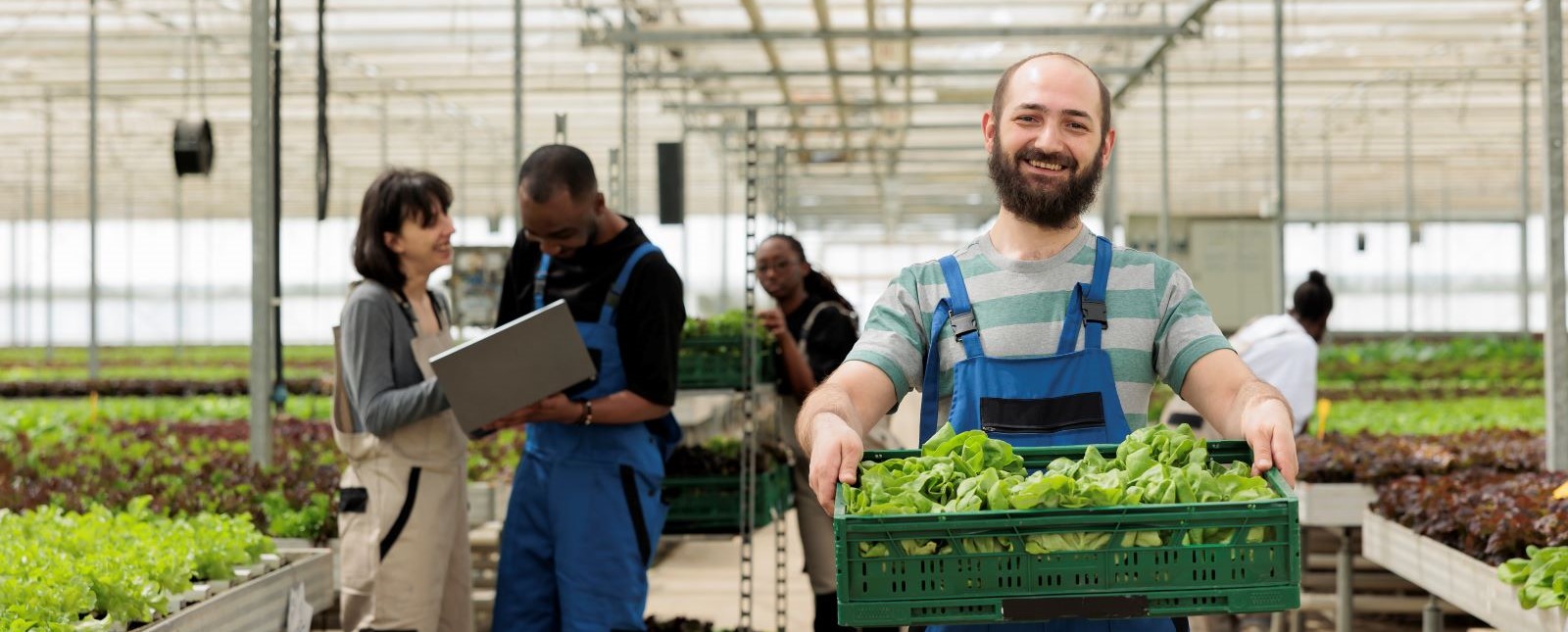
In the food industry, sustainability is more than just a buzzword; it’s a responsibility to the planet and people. While green practices have transformed many parts of the food value chain, from eco-friendly farming to waste-reducing food manufacturing, there’s one critical link that often gets overlooked: green logistics. When incorporated into every stage—from farm to factory to fork—green logistics can help companies like ours achieve a truly sustainable food cycle.
1. Green Beginnings: Sustainable Farm Practices
Sustainable farming practices have been the foundation of a greener food industry. This includes regenerative agriculture methods that enrich soil, conserve water, and reduce reliance on chemicals and fertilizers. These practices are vital for reducing carbon emissions at the source, protecting biodiversity, and supporting local ecosystems. For food companies, sourcing ingredients from farms that employ these practices is not just about offering high-quality products but about committing to a food cycle that respects natural resources and promotes health.
2. Connecting the Dots: The Role of Green Logistics
The journey from farm to fork doesn’t stop at the field. The transportation, storage, and processing of food—often overlooked—carry a significant environmental footprint. Here’s where green logistics comes in, bridging the gap between eco-friendly farming and mindful consumption. By optimizing transportation routes, using energy-efficient vehicles, and integrating renewable energy in storage and distribution, green logistics ensures that every step in the journey aligns with sustainability goals.
For instance, electric trucks and hybrid vehicles help reduce greenhouse gas emissions, while energy-efficient storage facilities minimize the environmental impact of food warehousing. These logistics solutions create a seamless, eco-conscious connection between farms, factories, and consumers, allowing companies to bring fresh products to market while reducing their overall carbon footprint.
3. Factories and Food Processing: A Green Transformation
Sustainable food processing practices are equally essential, whether through reducing water and energy consumption or limiting food waste. Green logistics supports these goals by using circular economy principles, like recycling and reusing packaging materials, to reduce waste in the supply chain. With an efficient, sustainable logistics approach, factories can minimize their reliance on single-use materials, ensuring that production processes not only yield high-quality products but also conserve resources.
4. Reaching the Fork: Sustainable Delivery and Consumption
The final step—bringing food to the consumer—is a critical part of the sustainability journey. With green logistics, companies can ensure that products are delivered fresh, quickly, and with minimal environmental impact. As consumers demand more transparency and eco-friendliness, a food company that integrates green logistics is in a unique position to deliver, quite literally, on those promises.
A Holistic Green Value Chain with Transgreen
Sustainable food systems rely on more than just eco-friendly farming or green processing; they require a comprehensive, green logistics approach that connects each stage of the journey. For Transgreen, integrating green logistics alongside ethical farming and sustainable manufacturing is the missing link that transforms a commitment to quality into a commitment to a truly green value chain—from farm to factory to fork. By rethinking every part of the food cycle, Transgreen is making a genuine, lasting impact on the food industry and the planet.