
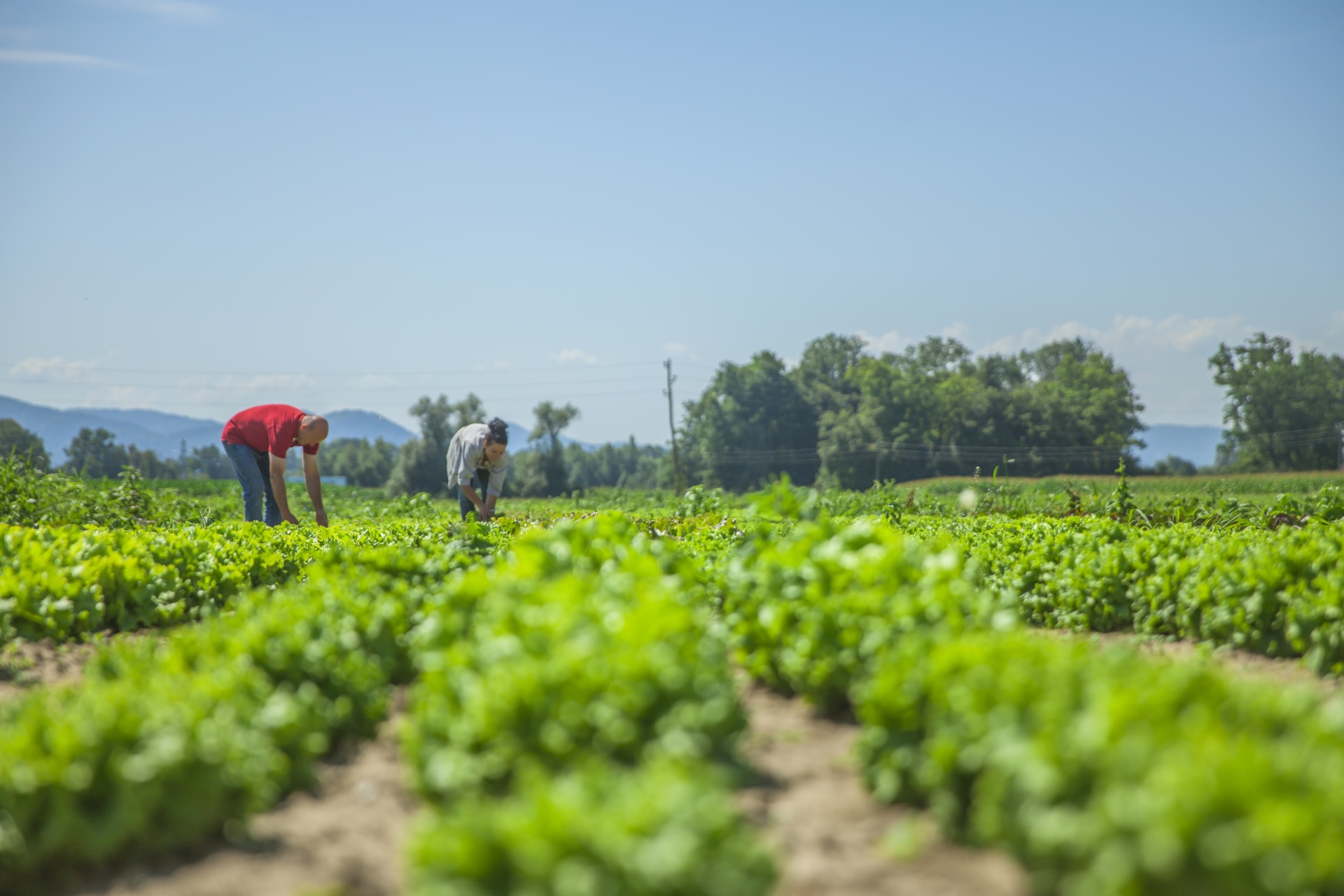
In a world where food travels thousands of miles before reaching our plates, ethical sourcing has become more than just a trend—it’s a responsibility. Businesses, consumers, and governments are increasingly aware that every purchase can influence the environment, farmers’ livelihoods, and the long-term health of our planet.
At Transgreen, ethical sourcing forms the foundation of how we work—from partnering with trusted farmers to ensuring sustainable practices across the food value chain.
What Is Ethical Sourcing?
Ethical sourcing means procuring raw materials and food products in a way that is socially responsible, environmentally sustainable, and economically fair.
It ensures that every stakeholder—from the farmer in the field to the consumer at the table—is treated fairly and that production methods do not harm people or the planet.
In agriculture, this involves:
- Fair wages and safe working conditions for farmers and workers
- Sustainable farming techniques that protect soil and water resources
- Transparent supply chains that trace the journey of food from farm to fork
- Reducing waste and promoting biodiversity
Why Ethical Sourcing Matters in Agriculture
1. Empowering Farmers and Rural Communities
When food companies adopt ethical sourcing, they create steady, fair-priced demand for farmers. This not only improves rural livelihoods but also builds long-term partnerships based on trust and transparency.
At Transgreen, we work closely with local growers, ensuring they get fair returns for their produce while helping them adopt modern, sustainable farming methods.
2. Sustainable Use of Natural Resources
Ethical sourcing promotes farming practices that preserve soil fertility, minimize chemical usage, and optimize water consumption.
By encouraging crop rotation, organic methods, and efficient irrigation, the approach helps secure the future of agriculture for generations to come.
3. Better Food Quality and Traceability
Consumers today want to know where their food comes from. Ethical sourcing ensures traceability—from field to freezer—allowing businesses and customers alike to trust the quality and safety of what they consume.
For food processors and exporters like Transgreen, traceability strengthens compliance and builds global credibility.
4. Reducing Environmental Impact
Conventional farming and supply chains often leave a heavy carbon footprint. Ethical sourcing minimizes this through local procurement, efficient logistics, and waste reduction strategies.
By integrating farm-to-factory models, Transgreen reduces transit time and ensures the produce retains its natural freshness and nutrients.
5. Building Brand Trust and Market Advantage
In a competitive food industry, transparency matters. Companies that practice ethical sourcing are increasingly favored by conscious consumers, retailers, and global partners.
For B2B buyers, it means associating with a brand that values sustainability, integrity, and long-term progress over short-term profit.
Transgreen’s Approach to Ethical Sourcing
At Transgreen, ethical sourcing isn’t a checkbox—it’s our philosophy.
We partner directly with farmer groups and cooperatives to create an inclusive ecosystem that delivers both prosperity and sustainability.
Our approach includes:
- Direct Farm Partnerships: Eliminating middlemen to ensure fair compensation and timely procurement.
- Training and Support: Helping farmers adopt eco-friendly cultivation and post-harvest handling.
- Sustainable Processing: Using IQF freezing to preserve nutrition naturally without chemical preservatives.
- Transparent Supply Chains: From procurement to packaging, every process is traceable and accountable.
By integrating ethical sourcing with advanced food technology, Transgreen bridges the gap between responsible farming and modern food manufacturing—ensuring that doing good and doing business go hand in hand.
The Broader Impact
Ethical sourcing creates a ripple effect:
- Stronger, more resilient agricultural communities
- Reduced environmental degradation
- Higher-quality, safer food for consumers worldwide
- A more balanced and transparent food economy
It’s a model where everyone wins—the farmer, the manufacturer, the consumer, and the planet.
Ethical sourcing is not just about compliance—it’s about conscience.
As the global demand for food grows, so does the responsibility to produce and procure it the right way. Companies like Transgreen are showing that sustainability and profitability can coexist when the focus remains on people, planet, and purpose.
Together, we can cultivate a future where every meal tells a story of fairness, responsibility, and shared growth.