
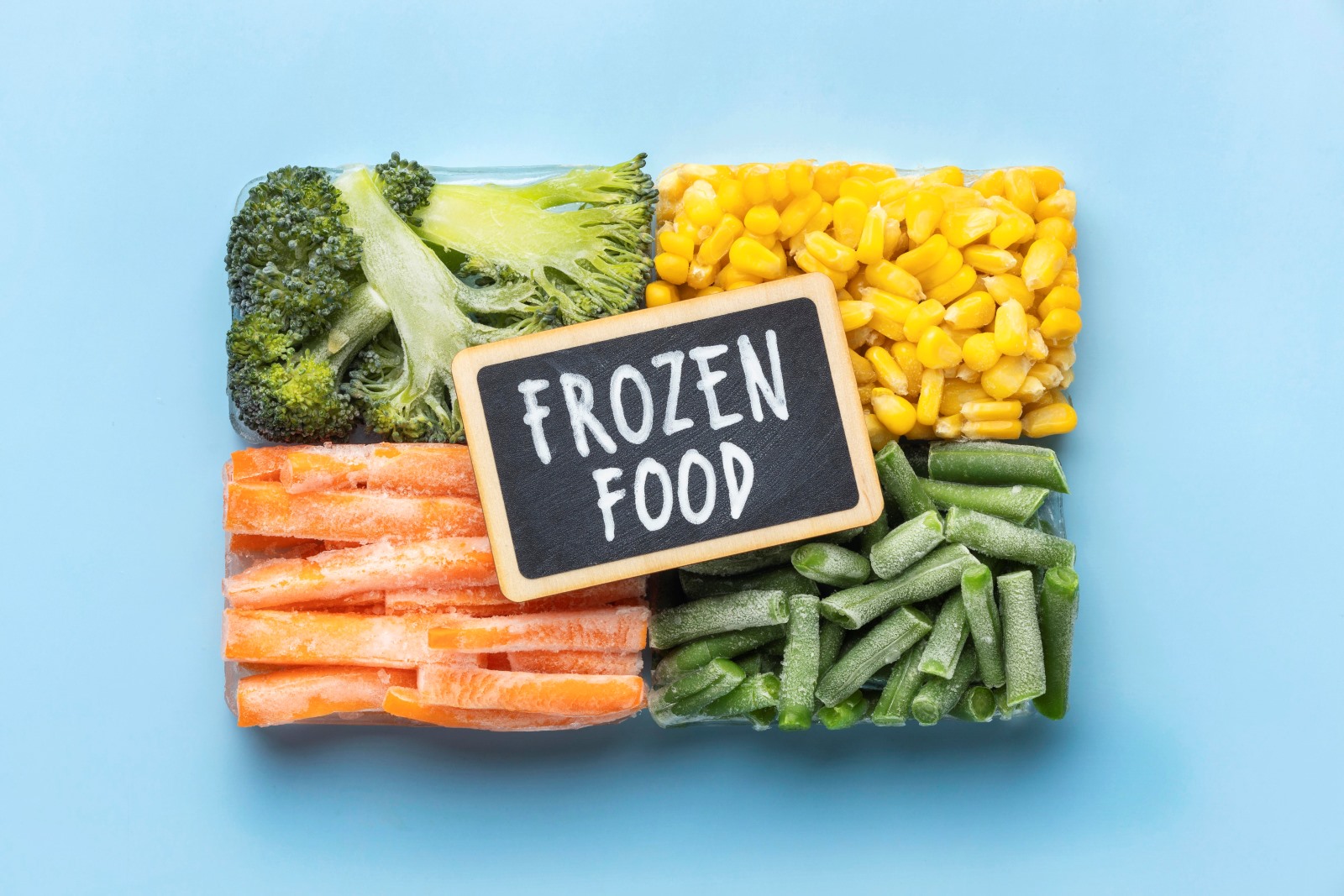
The debate between frozen and fresh foods has been ongoing for years, with many consumers believing that fresh is always better. However, modern freezing techniques have significantly improved the quality and nutritional value of frozen foods. Understanding the differences between frozen and fresh foods in terms of nutrition, cost, convenience, and sustainability can help consumers make informed choices.
Nutritional Value: Fresh vs. Frozen
A common perception is that fresh food is always more nutritious than frozen. However, the reality is more complex.
Fresh Foods
Fresh fruits and vegetables are often considered superior because they are harvested at peak ripeness. However, by the time they reach grocery store shelves, they may have lost some of their nutrients due to exposure to heat, light, and oxygen during transport and storage.
- Nutrient Loss Over Time: Some vitamins, particularly vitamin C and certain B vitamins, degrade over time. Fresh produce that has been transported long distances may contain fewer nutrients than expected.
- Enzymatic Activity: Fresh produce continues to undergo enzymatic reactions post-harvest, which can lead to nutrient degradation if not consumed promptly.
Frozen Foods
Frozen fruits and vegetables are usually picked at peak ripeness and flash-frozen to preserve their nutrients.
- Preservation of Nutrients: Freezing locks in vitamins and minerals, preventing degradation. Studies have shown that frozen vegetables often contain as many, if not more, nutrients than their fresh counterparts.
- Minimal Processing: Unlike canned foods, frozen foods do not require preservatives or additives to maintain shelf life, making them a healthier choice in some cases.
Cost Considerations
Cost plays a crucial role in consumer decisions regarding fresh vs. frozen foods.
- Seasonal Pricing: Fresh fruits and vegetables fluctuate in price based on seasonality. For example, berries are expensive in winter but more affordable in summer.
- Affordability of Frozen Foods: Frozen produce provides a cost-effective option as prices remain stable year-round. They also reduce food waste since they have a longer shelf life.
- Bulk Purchasing: Frozen foods allow consumers to buy in bulk without worrying about spoilage, leading to long-term savings.
Convenience & Shelf Life
Time and convenience are critical factors in modern households.
Fresh Foods
- Require frequent shopping trips to maintain a supply of fresh produce.
- Shorter shelf life; perishable items like spinach or berries may only last a few days.
- Require cleaning, peeling, or cutting, which adds to preparation time.
Frozen Foods
- Longer shelf life (several months to a year) without losing significant nutritional value.
- Pre-washed, pre-cut, and ready to use, making meal prep easier.
- Available year-round, providing access to seasonal produce at any time.
Taste & Texture Differences
Taste and texture play an essential role in meal satisfaction.
Fresh Foods
- Generally preferred for their crisp texture and vibrant flavor.
- Ideal for raw consumption, such as salads and fruit platters.
Frozen Foods
- Freezing can alter the texture of some foods, making them softer upon thawing (e.g., strawberries, spinach).
- Best used in cooked dishes like soups, stir-fries, and smoothies where texture changes are less noticeable.
Sustainability & Food Waste
Food waste is a growing concern, and choosing between fresh and frozen impacts sustainability.
- Fresh Foods: Higher risk of waste as they spoil quickly.
- Frozen Foods: Reduced food waste since they last longer.
- Environmental Impact: The freezing process requires energy, but it can be more sustainable overall due to reduced waste.
Final Verdict: Which is Better?
The choice between fresh and frozen depends on individual needs and circumstances.
- For maximum freshness and raw consumption: Fresh is ideal.
- For cost savings, convenience, and nutrition retention: Frozen is a great alternative.
- For reducing food waste: Frozen foods offer a sustainable option.
Ultimately, a balanced approach—incorporating both fresh and frozen foods into one’s diet—ensures variety, cost-effectiveness, and optimal nutrition.
Final Thoughts
Neither fresh nor frozen is definitively better; each has its advantages and trade-offs. Understanding when to choose one over the other can help consumers make better dietary choices while optimizing nutrition, convenience, and budget. Whether selecting fresh for immediate use or frozen for long-term storage, both options contribute to a healthy and balanced diet.